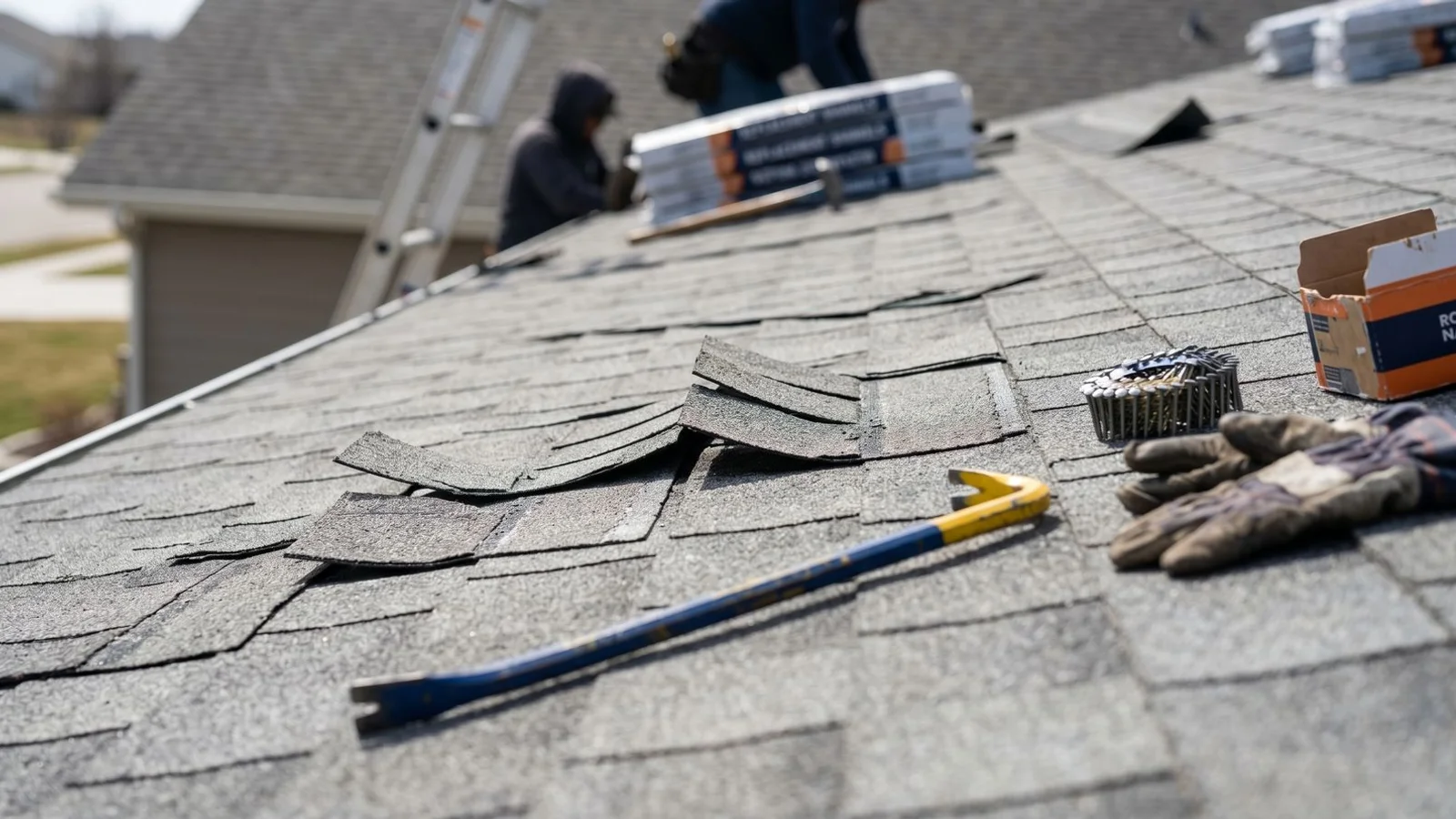
Wind Damage Warning Signs on Treasure Valley Roofs
Treasure Valley winds regularly exceed 50 mph. Here are the wind-damage warning signs on an Idaho asphalt shingle roof — some obvious, some easy to miss.
From what I’ve seen on the ground, summer microbursts and spring frontal passages are the quiet destroyers of residential properties. Those sudden storms easily push local wind gusts past 60 mph. That specific speed is the breaking point where standard 3-tab asphalt shingles begin to fail.
We regularly inspect properties across Meridian, Eagle, and Boise after these severe weather events. Many property owners assume their roof survived just fine because they do not see massive holes from the driveway.
The Hidden Threat: High winds create invisible uplift pressure that compromises your roofing system long before a leak appears in the ceiling.
This false sense of security is exactly why identifying wind damage warning signs on Treasure Valley roofs — and acting fast with professional storm damage restoration — is so critical.
I will break down the specific mechanics of wind uplift and highlight the most vulnerable areas on your roof. Let’s look at the hidden stress points, the visual clues to watch for, and the exact steps you need to take to protect your investment.
Why Wind Damage Is Often Missed
Unlike a severe hailstorm that leaves obvious circular impact bruises, high wind acts like a vacuum. It creates an invisible negative pressure differential that lifts materials from the surface. A shingle tab that gets pulled up and then drops back down into place looks perfectly normal from the sidewalk.
Our local climate actually accelerates this hidden deterioration. Treasure Valley roofs experience massive thermal expansion and contraction, heating up significantly in the summer sun and freezing at night. By year four or five, this daily temperature cycle severely weakens the factory-applied sealant strip.
| Damage Type | Visual Clues | Primary Force |
|---|---|---|
| Wind Uplift | Broken seals, missing tabs, creases | Negative air pressure |
| Hail Impact | Circular bruises, shattered edges | Direct physical strike |
| Thermal Shock | Micro-cracks, brittle texture | Rapid temperature swings |
Once that adhesive bond is broken, even a moderate 45 mph gust can cause significant lifting. A missing piece on a rear-facing slope is easily ignored. A creased fiberglass mat is impossible to spot unless you climb a ladder.
The result is frustrating for homeowners. Wind damage often remains undiscovered until weeks or months later when a heavy rain event exploits the weak points. Water then bypasses the underlayment and starts showing up as brown stains on the living room ceiling.
The 5 Wind Damage Warning Signs
1. Visibly Missing Shingles
The most obvious red flag is an exposed section of underlayment where a shingle used to sit. A missing tab is a definitive indicator of severe uplift and rarely gets contested by claims adjusters. You need to inspect all slopes carefully.
We always pay special attention to the windward side of the home. South and west-facing slopes take the brunt of the prevailing weather patterns here in the valley. If your home currently has basic 3-tab shingles, they are only rated for 60 mph winds.
Upgrading to premium architectural options like GAF Timberline HDZ or Owens Corning Duration provides a massive boost in protection. These heavier materials utilize advanced nailing zones to achieve a 130 mph wind rating.
2. Lifted Tab Corners
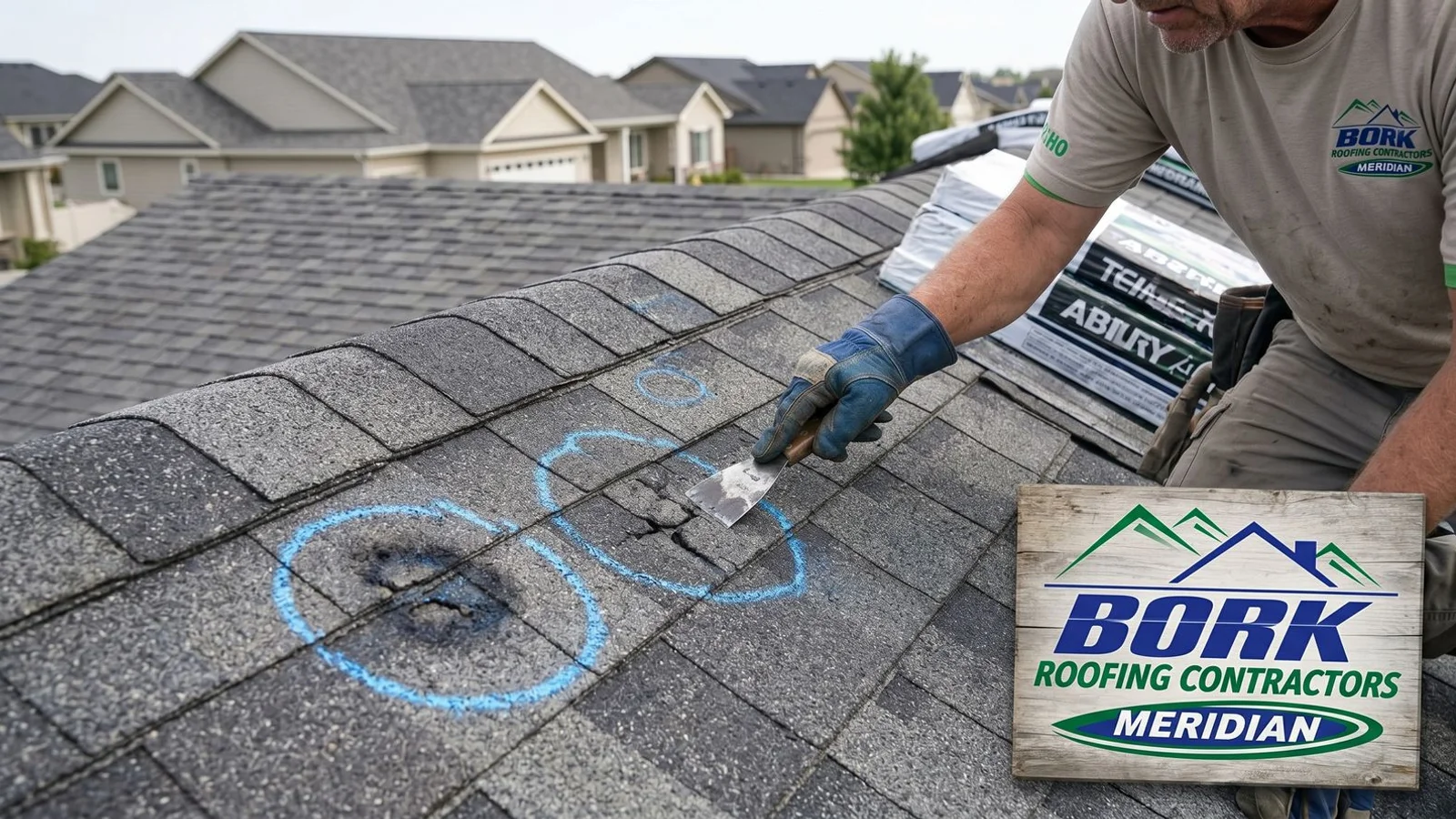
Walk the perimeter of your house and look closely at the roof edges. Do you see any tabs sitting up rather than lying completely flat? Lifted corners indicate a permanent failure of the roofing system.
Our inspection teams frequently find dirt and debris blown underneath these raised tabs. Once dust coats the SBS Modified Bitumen adhesive, the seal is permanently broken. The shingle cannot reseal itself to the roof deck.
- Wind uplift pressure physically pulls the material.
- Airborne dust contaminates the exposed adhesive.
- The broken seal creates an entry point for rain.
3. Creased Shingles
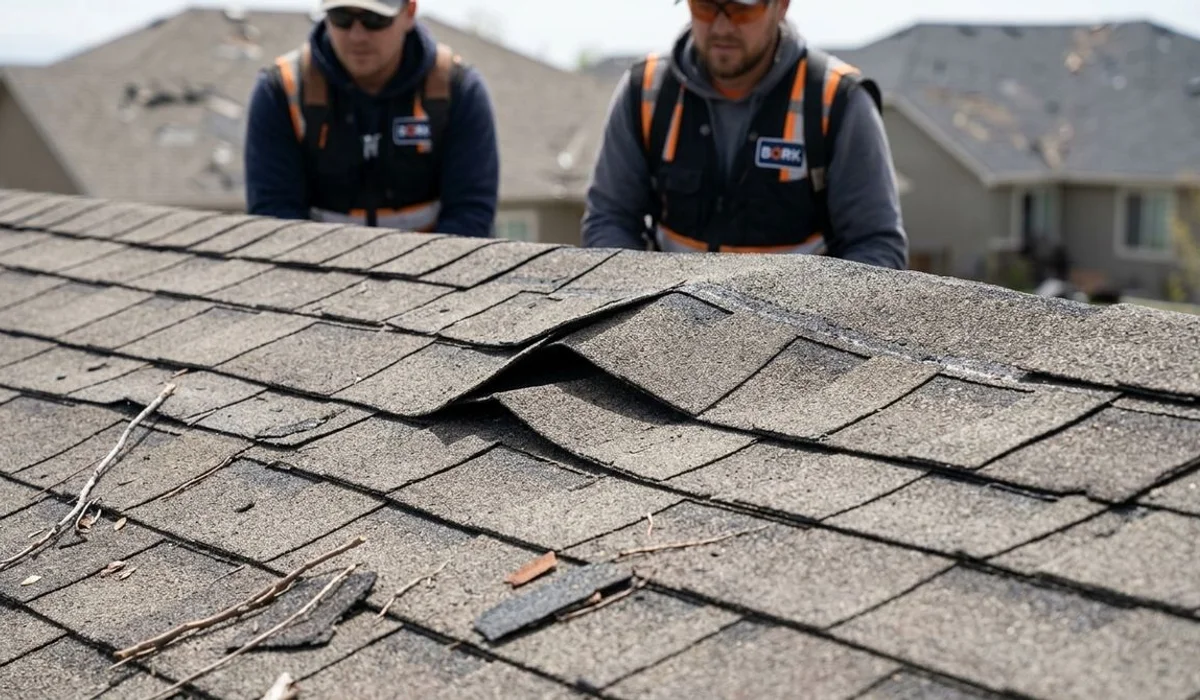
When powerful gusts lift a tab past a vertical angle, the internal fiberglass mat physically snaps at the fold line. These horizontal creases create permanent weak points in the structure. The material will completely fail and tear off within one to three years, even if it appears intact right now.
You cannot spot these subtle stress fractures from the ground because the dark asphalt hides the damage. This is exactly why scheduling a professional post-storm evaluation is so critical for your property.
4. Displaced Ridge Caps
Ridge cap shingles run horizontally along the very peak of the structure. They sit at the highest point of elevation and endure the most extreme wind pressure of any component. A compromised ridge allows water to pour directly into the attic space.
Look closely for these specific warning signs at the peak:
- Ridge pieces that appear askew, tilted, or crooked.
- Completely missing sections exposing the ridge vent.
- Exposed, shiny nail heads where overlapping material should be.
- Standard field shingles used improperly in place of specialized ridge caps.
5. Granule Accumulation in Gutters
Wind stress aggressively flutters the overlapping layers and causes the rough surface to shed its protective coating. After a severe weather alert, check your downspouts for an unusual amount of sandy debris. A sudden spike in granule loss indicates severe material stress.
These small stone granules serve a vital purpose by protecting the raw asphalt from intense ultraviolet radiation. Bare spots will literally bake under the harsh July and August sun. This rapid UV degradation causes the remaining material to become dangerously brittle and prone to cracking.
What to Do If You Suspect System Failure
Do not climb onto the roof yourself under any circumstances. Following a severe storm, the structural integrity of the walking surface is completely unknown. Your body weight can easily worsen the existing fractures or cause a dangerous fall.
Safety Warning: Unseen structural damage makes walking on a post-storm roof extremely hazardous for untrained individuals.
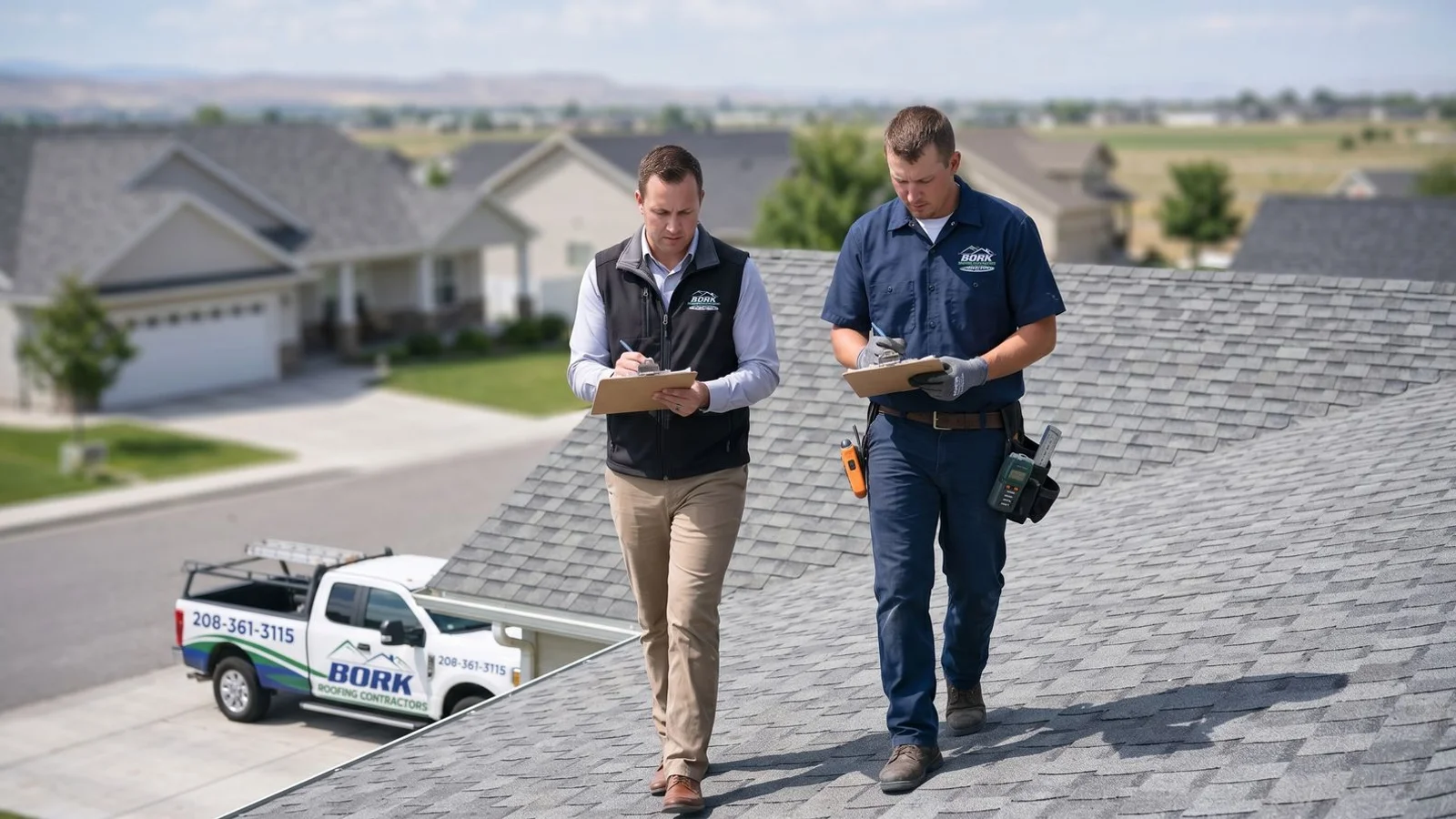
We highly recommend calling for a dedicated post-storm assessment. The evaluation process utilizes high-resolution drones to capture safe, close-up imaging of the entire property. This modern approach provides you with the exact photographic evidence required by claims adjusters.
Filing your paperwork quickly is absolutely essential. While Idaho Code 5-218 provides a three-year statute of limitations for property damage lawsuits, most standard homeowners policies are much stricter. You typically have exactly 365 days from the specific date of loss to file an insurance claim. Do not let a covered repair expire while waiting to see if a leak develops.
Handling Insurance and Wind Claims
High wind events are covered under every standard homeowners policy issued in the state. Local insurance carriers understand the local weather patterns and generally scope claims fairly when the physical evidence is properly documented. The most challenging part of the process is tying the specific damage to a verified weather event.
Adjusters rely on National Weather Service data to verify historical wind speeds at your exact address. Vague references to a bad storm last month will almost always result in a denied claim. You must provide a specific date that aligns with a recorded severe thunderstorm warning or high wind advisory.
Here is a quick checklist for a successful claim process:
- Note the exact date and time of the severe weather event.
- Take ground-level photos of any fallen branches or displaced yard items.
- Schedule a professional assessment immediately to secure the structure.
- Provide your carrier with the detailed drone imagery and inspector report.
Our Free Post-Storm Documentation Service
Any time severe weather sweeps across the region, we step in to help owners evaluate their properties. Our team offers comprehensive post-storm inspections complete with written documentation and high-resolution photos.
Identifying Wind Damage Warning Signs on Treasure Valley Roofs early is the smartest way to avoid a catastrophic interior leak.
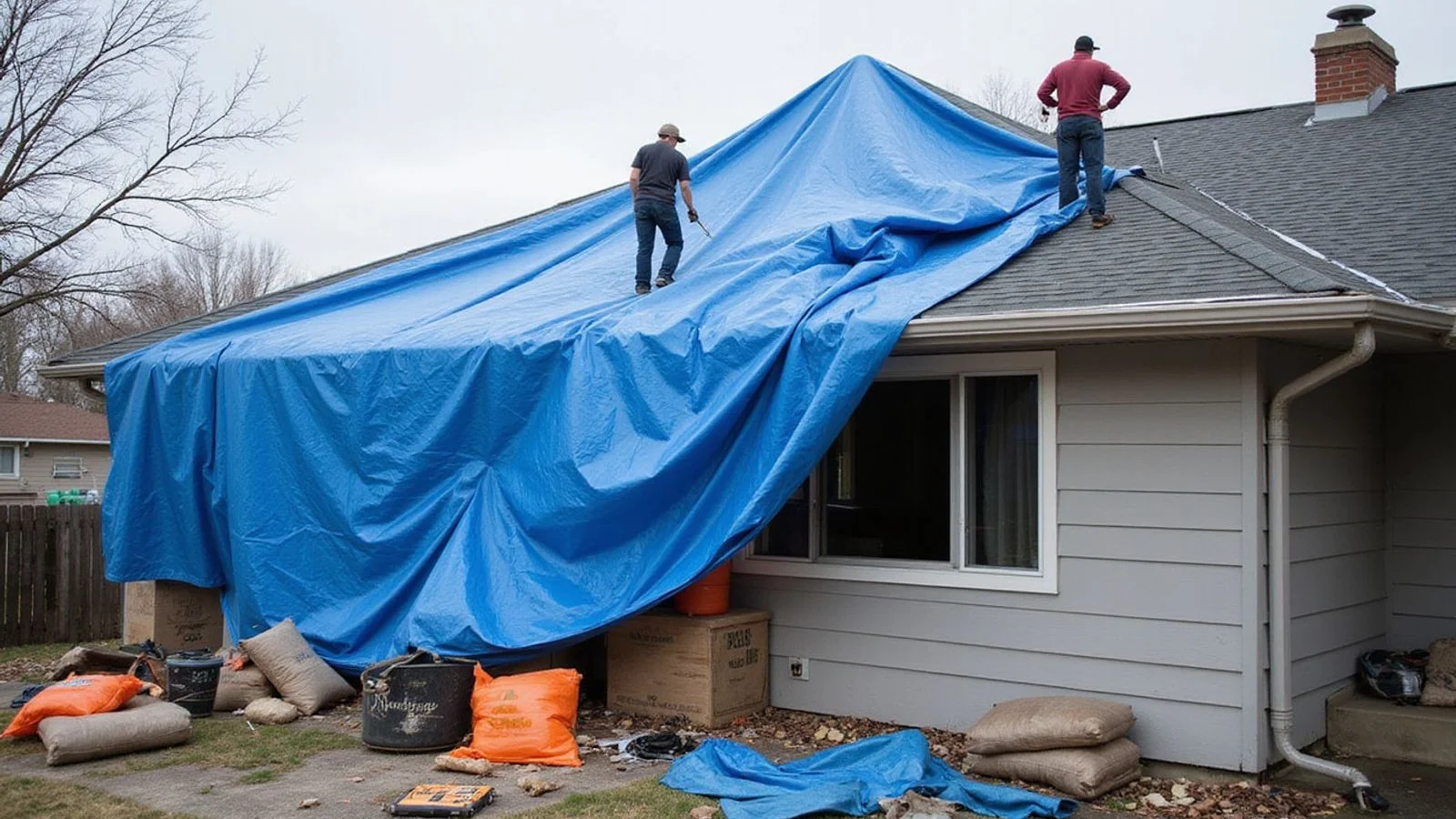
Call (208) 361-3115 or request an inspection online to secure your spot. For active leaks, our 24/7 emergency response line can have a mitigation crew on-site within 30 minutes for same-day tarping.